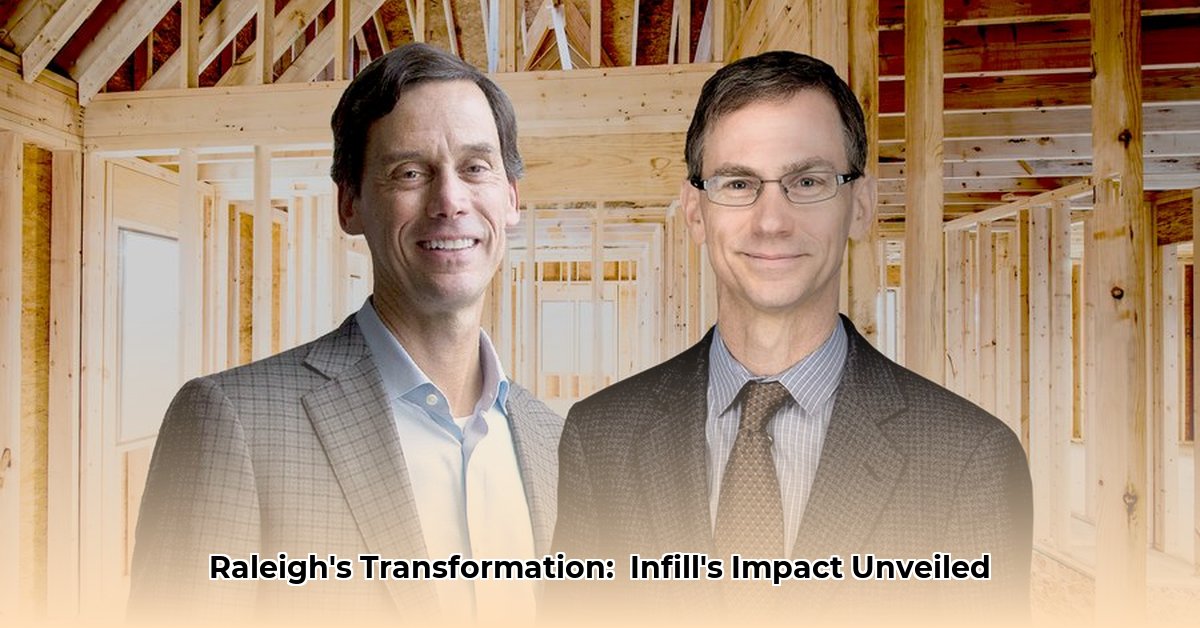
Gordon Grubb isn't just building houses; he's architecting thriving communities within the heart of the Research Triangle. His company, Grubb Ventures, specializes in infill development—a nuanced approach that revitalizes established neighborhoods instead of sprawling outwards. This strategy, challenging yet profoundly rewarding, is reshaping the region's landscape, one meticulously planned project at a time. This article explores Grubb Ventures' unique approach, highlighting its successes, challenges, and the visionary leadership of Gordon Grubb.
More Than Bricks and Mortar: A Community-First Philosophy
Grubb Ventures distinguishes itself through its deep commitment to the communities it serves. Imagine strolling along tree-lined streets, where beautifully restored homes seamlessly integrate with new constructions. Envision vibrant public spaces—perhaps a pocket park adorned with colorful murals, or a community garden fostering neighborly connections. This is the Grubb Ventures vision, a testament to their unwavering commitment to quality, evident in every detail, from the high-end finishes in their homes to the meticulously planned landscaping. They don't simply build; they create places people want to call home.
This community-centric approach isn't merely a marketing tactic; it's fundamental to their process. They actively solicit input from residents, holding town hall meetings, addressing concerns directly, and incorporating feedback into their designs. This collaborative process fosters trust and cultivates a sense of ownership within the community. One recent project, for instance, saw the addition of a much-needed community center, a direct outcome of collaborative discussions with local residents. This dedication to partnership is what truly sets Grubb Ventures apart.
The Challenges of Infill Development: Navigating Complexity
Creating vibrant, attractive infill developments is far from straightforward. It's a complex undertaking, presenting a unique set of challenges. Securing suitable land can be a logistical labyrinth, often requiring negotiation with existing building owners, careful consideration of zoning regulations, and, at times, overcoming resident apprehension towards change. Financially, too, it's a demanding endeavor; acquiring land and building in established areas typically incurs higher costs than developing greenfield sites. It's a delicate balancing act—maintaining the neighborhood's unique character while implementing modern construction techniques.
Construction itself introduces additional hurdles. Working within existing infrastructure requires meticulous management of logistics, minimizing disruption to residents and ensuring the safety of all involved. Navigating the complexities of local regulations and obtaining the necessary permits can be a time-consuming administrative process. Nevertheless, Grubb Ventures continually demonstrates its capacity to overcome these obstacles, showcasing its expertise and steadfast dedication to its vision. How does Grubb Ventures consistently overcome these hurdles? Their proactive risk management strategy is key.
Managing Risk: A Proactive Approach
Grubb Ventures' success in the intricate world of infill development stems, in part, from its meticulous risk assessment and mitigation strategies. Their approach is multi-faceted and proactive.
Construction Costs: Detailed budgeting, securing competitive bids, and exploring innovative, cost-effective building materials mitigate high construction costs (a medium likelihood, high impact risk).
Regulatory Hurdles: Proactive engagement with authorities, expert legal counsel, and building strong relationships with government officials lessen the impact of regulatory complexities (medium likelihood, high impact).
Market Fluctuations: Diversification of project portfolios, adjustable project timelines, and close market monitoring lessen the risk of market volatility (medium likelihood, medium impact).
Community Resistance: Proactive communication, resident engagement through town hall meetings and surveys, and promptly addressing concerns minimize potential community resistance (low likelihood, medium impact).
This strategy has proven instrumental to their success. They haven't simply avoided risks; they've actively shaped their approach to minimize potential downsides, ensuring each project progresses smoothly.
The Future of Grubb Ventures: Continued Growth and Innovation
The future holds significant potential for Grubb Ventures' continued expansion and influence within the Research Triangle and beyond. They are likely to continue their focus on infill projects, potentially expanding into mixed-use developments and incorporating more sustainable practices. Their emphasis on quality, community engagement, and sustainable growth will undoubtedly remain their guiding principles. Future expansion may bring their unique approach to other North Carolina communities. The impact of Grubb Ventures suggests a future where thoughtful urban revitalization will take center stage. The question remains: What exciting projects will they undertake next? We can expect continued growth and innovation.
Navigating Regulatory Hurdles in North Carolina Infill Development: A Developer's Guide
Gordon Grubb's success hinges not only on his vision but also on his ability to navigate the complexities of Raleigh's regulatory landscape. This section offers insights into the challenges and strategies for success in North Carolina infill development.
Understanding Raleigh's Regulatory Landscape
The Raleigh Unified Development Ordinance (UDO) serves as the foundational document for developers. A thorough understanding of its intricacies, especially Section 2.2.7.B (residential infill projects), is crucial. Overlooking even one detail can lead to significant project delays and setbacks.
The Infill Verification Process: A Crucial First Step
Before initiating any design or planning, verifying the infill status of a project is paramount. This isn't a mere formality; it's the foundational step determining project feasibility. Failure to complete this process promptly can result in substantial delays.
Navigating Compatibility Requirements
Successful infill development requires respecting the existing neighborhood's character and aesthetic. The UDO emphasizes compatibility between new and existing structures, ensuring new builds seamlessly integrate into their surroundings.
Proactive Strategies for Success
Successfully navigating regulatory hurdles demands a proactive approach:
- Thorough UDO Review: Dedicate ample time to understanding the relevant UDO sections.
- Early Engagement: Communicate with city planning officials from the outset.
- Legal Counsel: Retain experienced legal counsel specializing in Raleigh's UDO.
- Pre-Application Checklists: Develop detailed checklists to ensure all requirements are met.
- Community Outreach: Engage actively with the neighborhood community.
This strategic approach significantly reduces potential roadblocks and complications during the project lifecycle. By understanding and preparing for these challenges, developers like Grubb Ventures can efficiently and successfully complete their projects.